BRICK THAT SPEAKS ABOUT MONEY
Audio Guide
LATE 1800S
BRICK THAT SPEAKS ABOUT MONEY
Bradford’s architecture is like oil frozen into building form.
Massive.
Confident.
Without unnecessary modesty.
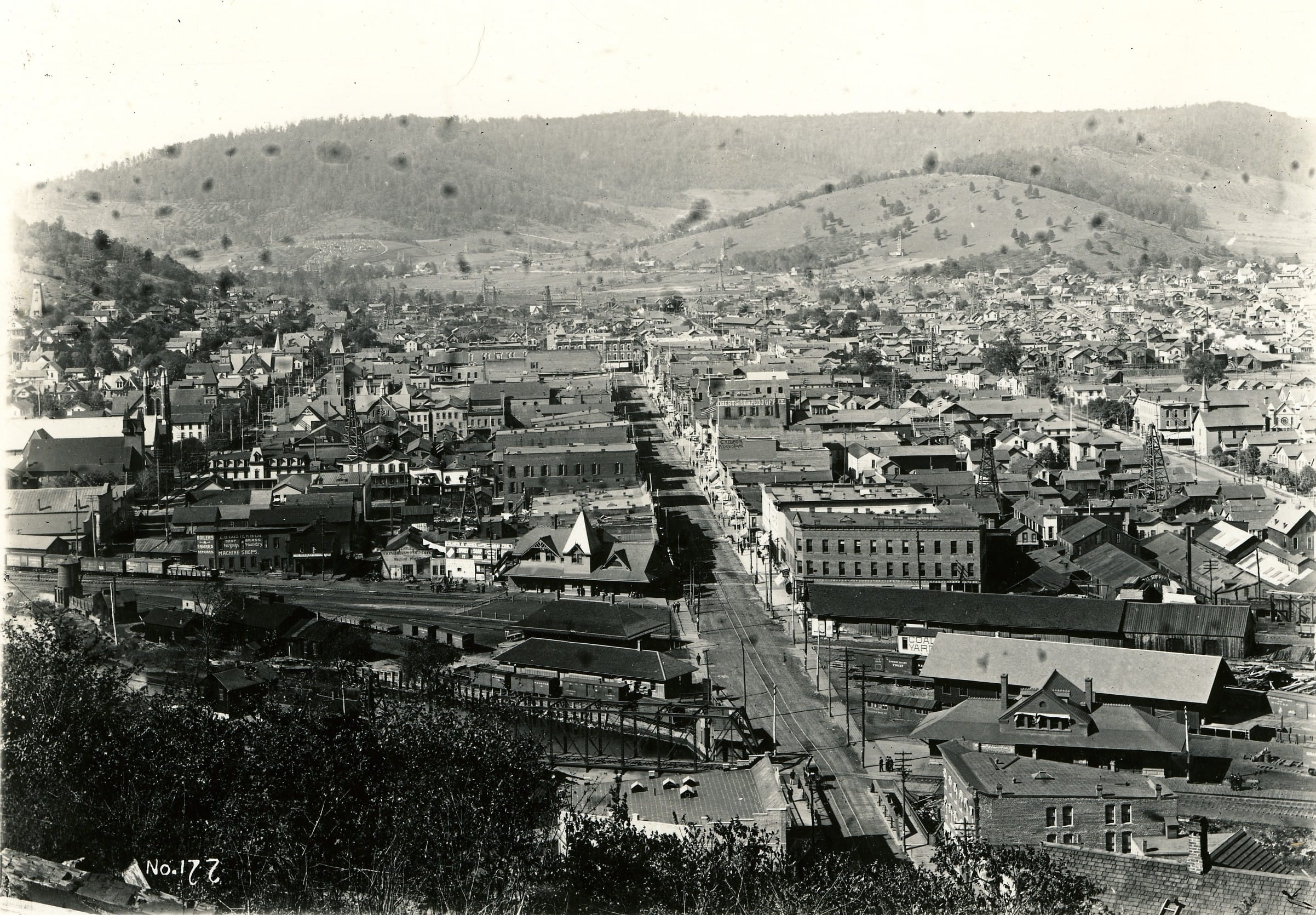
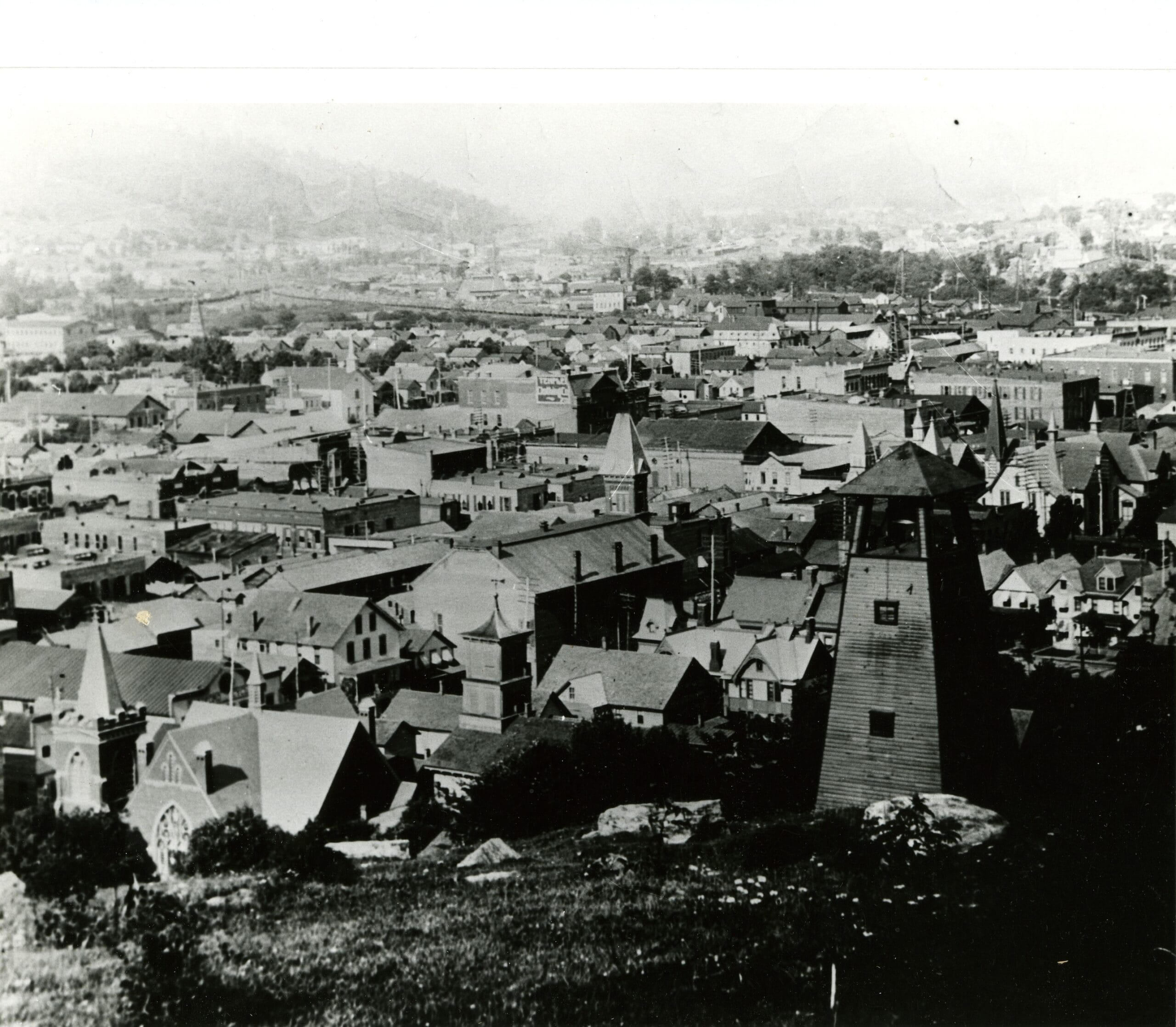
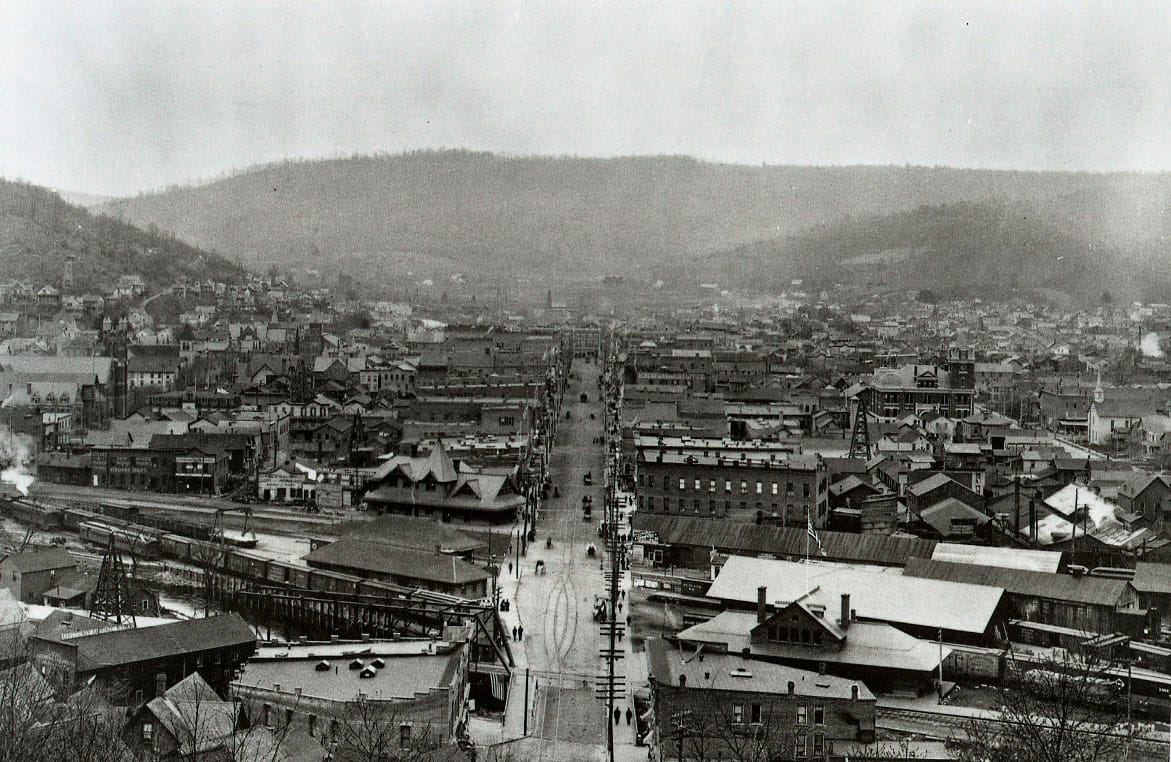
Walking downtown, you see buildings from the late 19th century.
They’re not pretending to be old.
They are old – and officially historic.
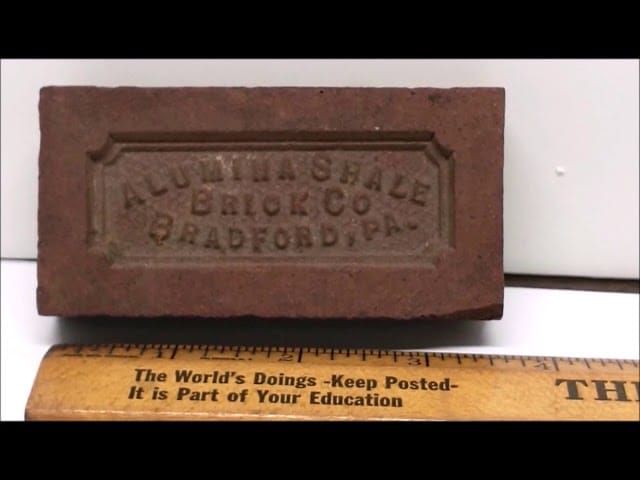
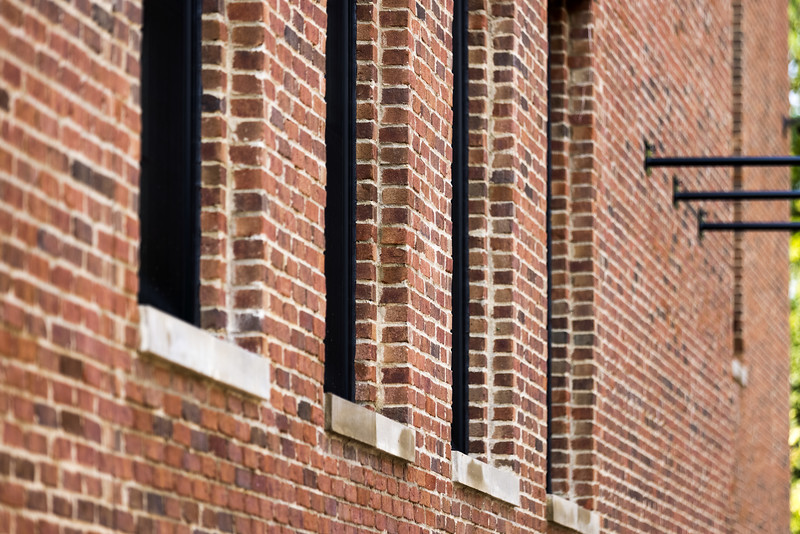
Almost everything is red, brown, sometimes nearly black brick.
This wasn’t style for style’s sake.
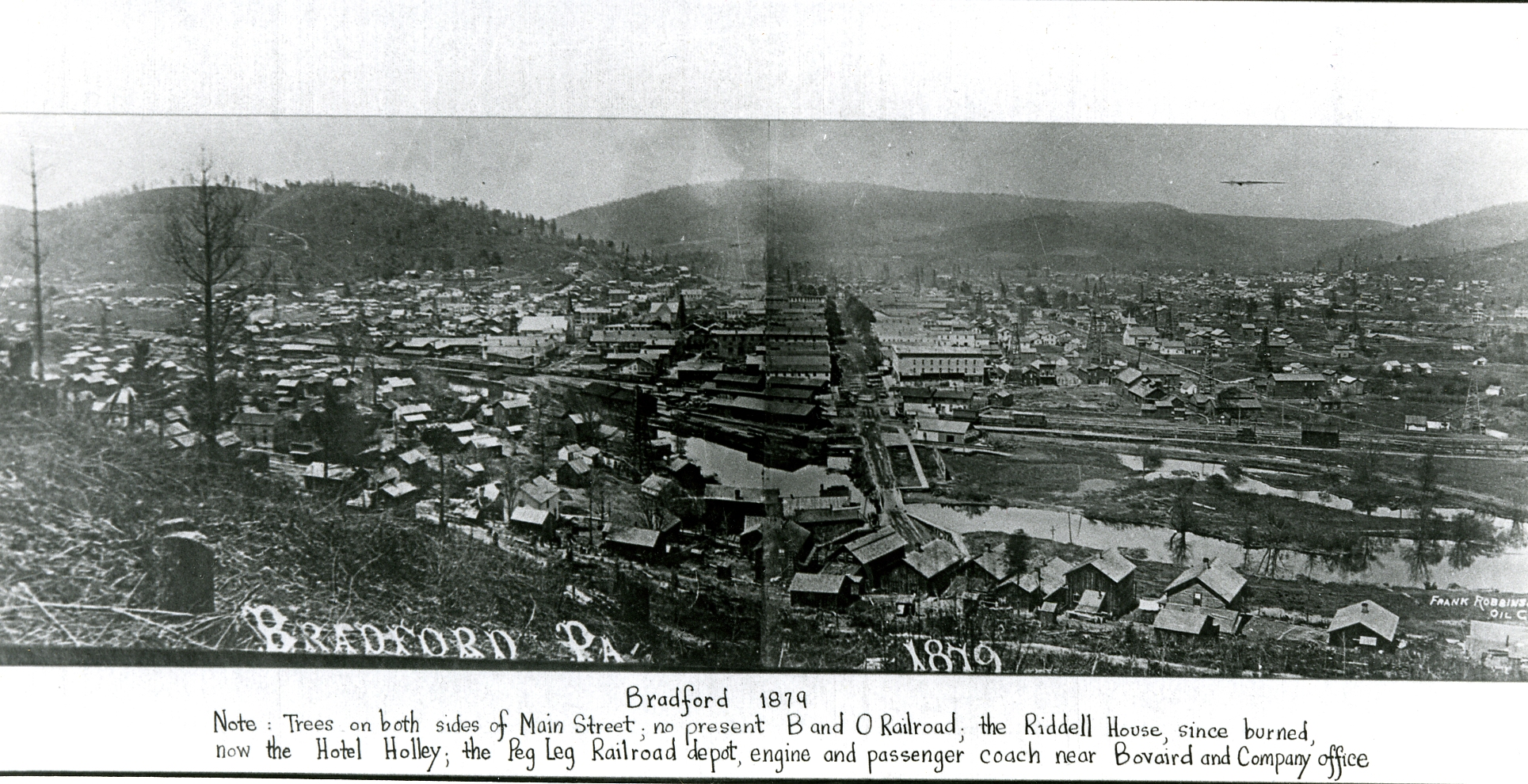
In the second half of the 19th century, Bradford grew faster than builders could keep up.
Homes, warehouses, banks, hotels were needed – immediately and in bulk.
Brick was perfect:
- cheap
- durable
- fire-resistant
No one was trying to look elegant.
They were trying to survive – and make money.
That’s why Bradford’s architecture consists of:
- massive facades
- straight lines
- minimal but impressive decoration
The buildings seem to say: “We’re here for the long haul.”
Many buildings were constructed by the same contractors using similar plans.
That’s why the city feels cohesive – almost industrially neat.
Notice the windows.
They’re often taller than seems necessary.
This comes from the pre-electricity era – buildings were designed to let in as much daylight as possible.
People worked, read, counted money by sunlight.
And here’s the important part:
this brick ages beautifully.
It darkens, shows time – but doesn’t fall apart.
That’s why Bradford feels not only like a museum, but like a city with memory.
The past isn’t erased – it’s built into the present.
Today, many former factories and offices are:
- apartments
- galleries
- offices
- cafés and studios
The city’s architecture doesn’t try to please – and that’s its strength.
Bradford isn’t a postcard city.
It’s a city of texture.
A city of brick that survived oil fever, industrial boom – and still stands.
Bradford isn’t genius ideas scribbled on napkins.
It’s:
- practicality
- and convenience